

Content Optimization Tips for SEO + AEO in 2026: 12 Tactics That Actually Move Rankings
Twelve content optimization tactics that move both Google rankings and AI Overview citations in 2026 — definition leads, extractable structure, schema, internal linking, original data, and the freshness signals that compound.

TL;DR
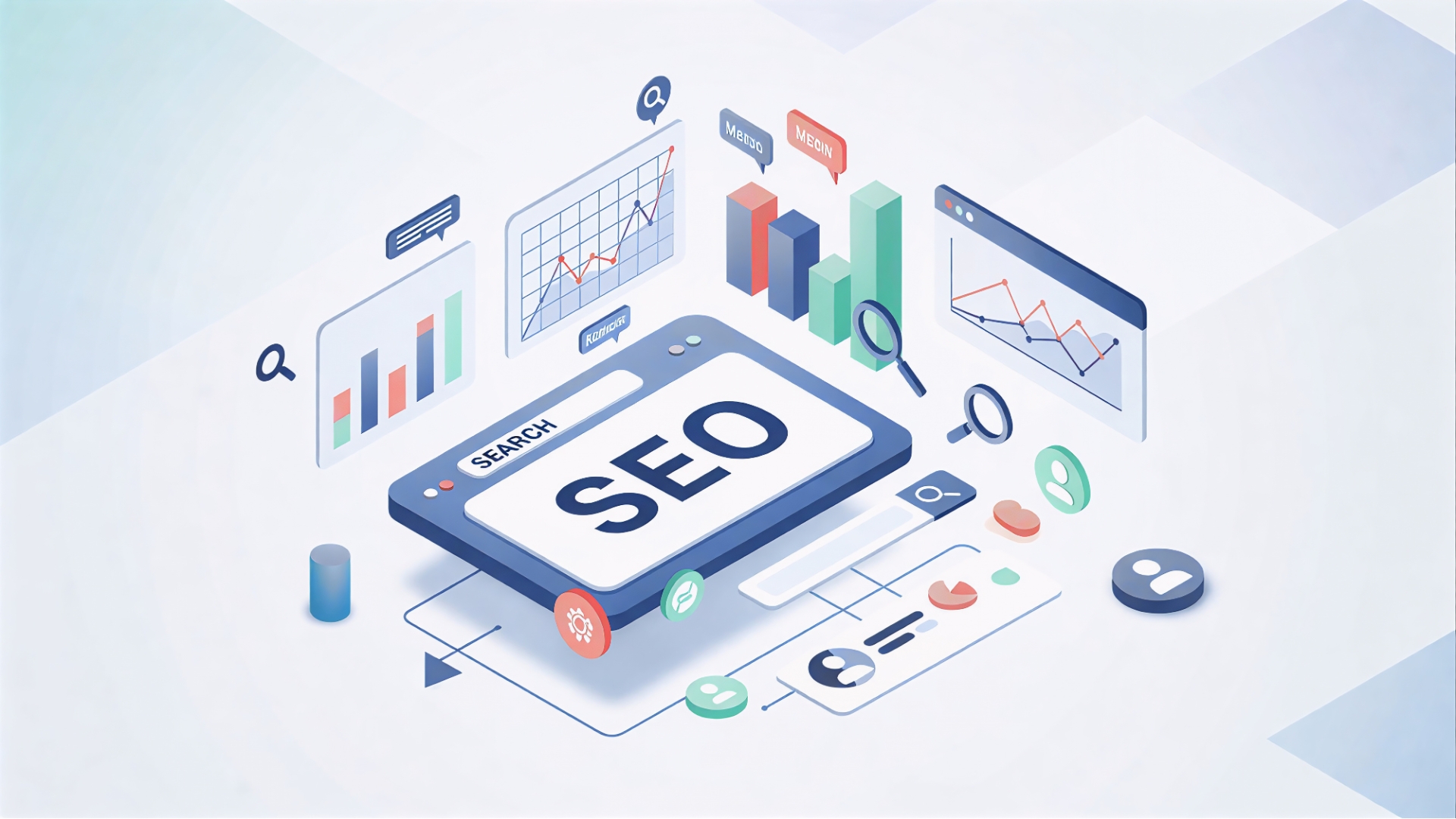
Content optimization in 2026 means optimizing for both traditional Google rankings and AI Overview / ChatGPT / Perplexity citations. The 12 tactics that move both: definition leads, extractable structure (H2/H3 hierarchy + tables + lists), FAQ + Article schema, statistic-led sentences, original data, expert quotes with credentials, internal linking to pillar pages, cluster topical coverage, image alt text + descriptive captions, freshness signals, comparison tables, and link-worthy original analysis. Generic content fails on both surfaces.
- Definition lead — first paragraph answers the query directly
- Extractable structure — H2/H3, tables, bulleted lists
- Schema completeness — Article + FAQPage + Breadcrumb
- Statistic-led sentences — specific numbers, sourced where possible
- Original analysis + data — the highest-leverage AEO citation driver
Content optimization tips for 2026 unify two formerly-separate disciplines: SEO content optimization (for Google rankings) and AEO content optimization (for AI engine citations). The 12 tactics below move both surfaces. Most content that ranks well in 2026 follows all 12; content missing 4–5 of them underperforms on either surface or both.
The 12 content optimization tactics
1. Definition lead
The first paragraph should define the query directly — bold the key term, give a one-sentence definition, then a second sentence with context. LLMs lift definitions verbatim from this position; Google's featured snippets do the same.
2. Extractable H2/H3 hierarchy
One question or claim per H2; supporting detail in H3s under each. LLMs extract H2-titled sections to answer related queries. Avoid burying key information in unstructured paragraphs.
3. Statistic-led sentences
Where possible, lead sentences with specific numbers: "67% of buyers..." rather than "Most buyers..." LLMs preferentially extract sentences with concrete numbers because they're verifiable.
4. FAQPage + Article schema
Every blog post should emit Article schema + BreadcrumbList. Posts with FAQ sections should emit FAQPage schema (the FAQ block on your post template should do this automatically).
5. Comparison tables
Tables are the single highest-extraction structure for AI answers. Comparing options, pricing tiers, vendor characteristics, or features as a table produces extractable structured data that LLMs reuse in answers.
6. Internal linking to pillar pages
Every blog post should link to 2–4 pillar pages (the major service or topic pages on your site). This passes link equity + reinforces topical authority + helps users find the conversion-relevant pages.
7. Original data + analysis
Original survey data, proprietary benchmarks, and unique analysis are the highest-leverage AEO citation driver. LLMs prefer to cite the original source rather than aggregators. A post with one original chart cites better than 10 posts of aggregated content.
8. Expert quotes with credentials
Quotes from named experts with credentials (CFP, MD, PhD, "Director at <company>") add E-E-A-T signal + give LLMs attributable claims. Quotes work both for owned content (interview internal experts) and for third-party citations (quoting industry analysts).
9. Image alt text + descriptive captions
Alt text serves accessibility + provides crawlable text content. Captions describe what the image shows and how it relates to the surrounding text. Both contribute to topical depth.
10. Freshness signals
Update content meaningfully (not just date-stamp manipulation): refresh statistics, add new sections covering recent developments, update examples. Posts updated meaningfully every 6–12 months hold rankings better than untouched evergreen content.
11. Topical cluster depth
A single post on a topic underperforms 8–15 interlinked posts covering the topic's subtopics. Cluster depth signals topical authority — the more interconnected posts you have on a subject, the stronger your authority signal.
12. Link-worthy original content
The content that earns inbound links is content with unique perspective, original data, or contrarian-but-defensible takes. "10 ways to do X" listicles rarely earn links; "Why 80% of X programs fail (and what we learned from 23 audits)" earns links + AEO citations.
For content optimization audits or content programs at scale, see our content marketing services pillar and AEO services pillar.
01 What's the single biggest content optimization mistake in 2026?
02 Does word count still matter for ranking?
03 How important is original research for SEO content?
04 Should I update old content or write new content?
05 What schema should every blog post have?
06 Does MaxGrowth do content audits as a standalone service?
Related posts
AI SEO Content Optimization in 2026: The Playbook That Actually Ranks

What Is LLM Optimization? The Non-Technical SEO Guide for 2026
Content Marketing for Local Businesses in 2026: A Compounding Playbook for Service Businesses
Google Business Profile Optimization in 2026: The Complete Map Pack & AEO Playbook
Get a free AI search audit.
We run your domain against ChatGPT, Gemini, Perplexity, and Google AI Overviews for 10 high-intent queries in your category. Short PDF, 48 hours, no sales call.
Email [email protected]